Hey guys, let’s cut to the chase—if you’re running a wastewater treatment operation, you know how much of a headache efficiency can be. I’ve been in this game for 12 years, running with my team as a wastewater treatment supplier, and I’ve seen so many plants spinning their wheels, burning way too much energy, missing compliance targets, and wasting resources that could actually be working for them. The truth is, improving your treatment efficiency isn’t just a “nice to have” anymore. It’s what keeps your costs low, your regulators off your back, and your operation from crashing when demand spikes. Waste Water Treatment
First off, let’s talk about the most obvious (and most overlooked) part: your process monitoring. So many plants rely on manual testing—someone showing up once a day with a sample bottle, waiting hours for lab results, then adjusting chemicals blind. C’mon, that’s like driving a car with a blindfold on. Over the last few years, we’ve seen a huge shift to real-time sensor tech, but not just any sensors. You need ones that actually talk to each other—we call that IoT integration—instead of sitting on a shelf collecting dust. For example, last year we worked with a food manufacturing plant that was over-dosing aeration tanks by 30% because their old sensors only checked dissolved oxygen (DO) once every 4 hours. We swapped in our low-maintenance optical DO sensors and added real-time ML-powered analytics that adjust aeration on the fly. Their energy bill for aeration dropped by 22% in 3 months, and they actually hit better effluent quality because they weren’t guessing. The key here is: stop relying on old, outdated monitoring that lags way behind what’s actually happening in your tanks. If your sensors are giving you data that’s hours old, you’re not improving efficiency—you’re just wasting money.
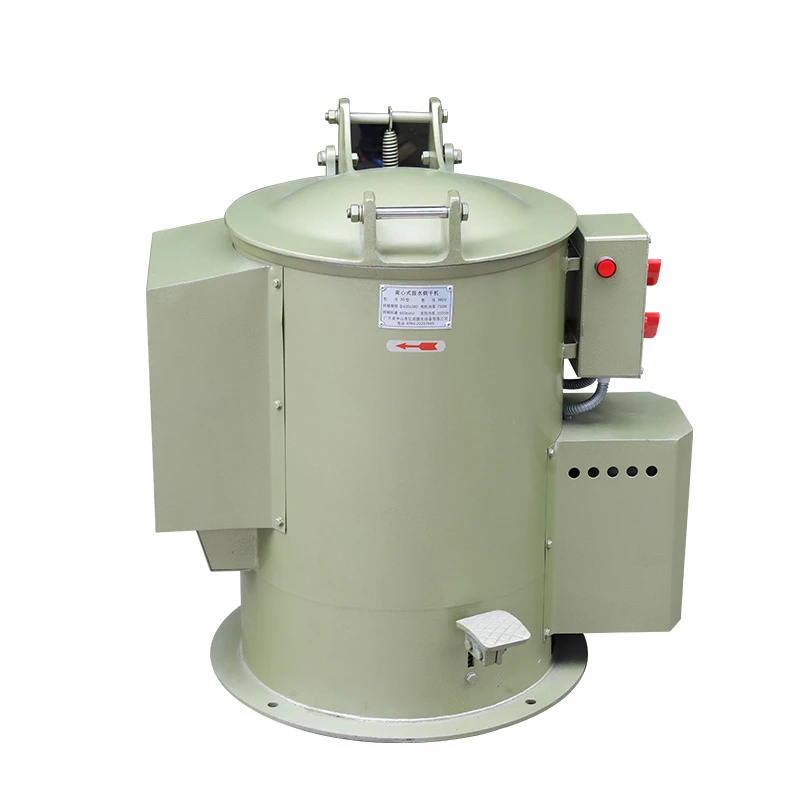
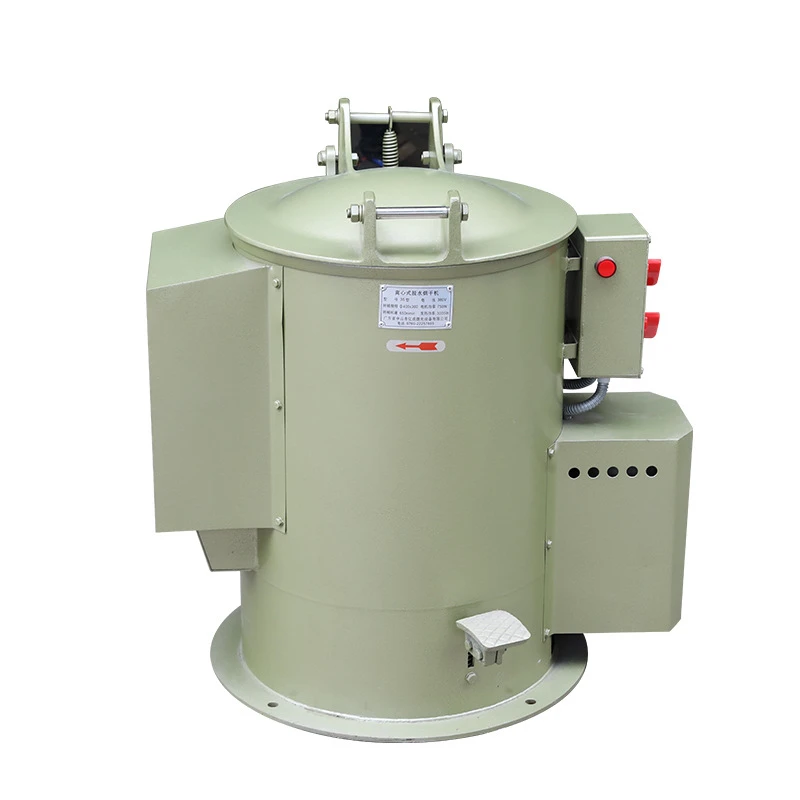
Next up, let’s tackle sludge management. Sludge is this big invisible pain point that most plants ignore until it’s a disaster. Think about it: sludge handling and disposal can make up 50% of your total operational costs, right? A lot of facilities do basic gravity thickening, but that’s super inefficient. What if you added a small, low-powered centrifugal thickener or a membrane filter press upgrade? We did a retrofit for a municipal plant last year that was wasting 180 tons of wet sludge a month because their old thickeners only got 2% solids. After we installed our high-solids thickening modules (super easy to integrate, no big shutdown required), they bumped that to 6% solids. That meant they only had to haul 60 tons less sludge every month—saving them $12k a year on disposal fees alone. And don’t sleep on waste activated sludge (WAS) wasting. A lot of plants are wasting way too much WAS because their process control isn’t optimized. If you can adjust your WAS flow rate to match your actual organic load instead of running a fixed schedule, you cut down on aeration, chemical use, and even sludge production. It’s a triple win.
Wait, let’s talk about energy—because that’s the big cost driver, no question. Wastewater treatment is energy-heavy, especially aeration pumps and mixers. I’ve seen plants with aeration systems that are 15+ years old, running at full blast 24/7 even when there’s less organic load at night. Variable frequency drives (VFDs) aren’t new, but so many plants either don’t have them or aren’t using them correctly. A VFD lets you adjust the speed of your pumps and blowers based on real sensor data—like when DO levels are high, you slow the aeration down, or when flow is low after hours, you dial back the pumps. One industrial client we work with had two aeration blowers running constantly, even though their night load was half of daytime. We installed VFDs on both, tied them to their existing sensor network, and now they only run one blower at 60% speed at night. Their monthly electricity bill for treatment dropped by 19%—that’s real money, right? Also, check your pipe and valve systems—clogged lines or outdated valves can force pumps to work way harder than they need to. A quick audit every 6 months to clean lines and replace worn valves can add 5-10% efficiency just like that.
Now, chemical dosing. This is another area where so many plants are over-spending. I’ve seen a plant that was using 20% more coagulant and flocculant than they needed because they were dosing a fixed amount regardless of incoming water quality. If your incoming flow changes (and it always does—industrial plants might have batch cycles, municipal plants have morning rush hours), a fixed dose is just waste. The solution here is closed-loop chemical dosing: tie your dosing pumps to real-time sensors for pH, turbidity, or COD (chemical oxygen demand), so the system automatically adjusts the dose as needed. We did this for a textile plant last quarter—they were spending $8k a month on alum for coagulation, and after installing closed-loop dosing, that dropped to $6.5k. That’s $18k a year saved for basically a one-time setup. Also, make sure you’re using the right chemicals for your specific wastewater. A lot of default to generic chemicals, but there are often more effective, lower-cost alternatives that match your influent composition. For example, some industrial waste can be treated with a blend of natural-based coagulants instead of synthetic ones—they work just as well, and are cheaper too.
Let’s not forget about operator training and small, daily tweaks. Even the fanciest sensors and best equipment are useless if your team doesn’t know how to use them. I’ve been to plants where operators have shiny new real-time dashboards on their control room screens, but they just glance at the numbers once a shift, not adjust them throughout the day. Last year, we trained a small municipal plant’s 3-person team on how to read their sensor data, adjust aeration during peak flow, and fine-tune sludge wasting. Within 2 months, they cut their operational costs by 12% without buying any new big equipment. Small, consistent changes add up. Also, encourage your operators to flag small issues early—like a minor leak in a pump, or a sensor that’s giving wonky data—because a tiny problem today can turn into a huge, costly efficiency killer down the line. We offer 24/7 remote support for all our clients, too—sometimes we can spot a sensor issue or a process gap before the operator even notices it. That’s part of our job as a wastewater treatment supplier, not just selling equipment.
Oh, and let’s touch on effluent reuse, because that’s a big one for industrial plants especially. If you can treat your wastewater to a standard that’s good enough for non-potable use—like equipment cleaning, cooling tower makeup, or even irrigation—you’re cutting down on how much fresh water you have to buy, and how much wastewater you have to treat. One manufacturing plant we work with was using 1.2 million gallons of fresh water a month, and discharging the same amount. We helped them upgrade their tertiary filtration system so their effluent met the standards for cooling towers. Now they reuse 500k gallons a month—so they’re not only saving on fresh water costs, but also reducing their treatment load on the front end. It’s a closed-loop system that boosts efficiency across the whole operation.
Wait, I should be real here—you can’t just go and overhaul your entire plant at once. That’s a recipe for chaos, shutdowns, and wasted money. Start small. Do a quick audit of your current process: pick one area that’s giving you the most headaches, whether that’s high energy costs, expensive sludge disposal, or over-dosing chemicals, and focus on that first. For example, if aeration is your biggest cost, start with testing VFDs and real-time DO sensors. If sludge is the issue, look at a small thickener upgrade before a full sludge treatment system. We work with plants of all sizes, from small 1 MGD municipal systems to large industrial plants, and the best efficiency gains almost always come from incremental, targeted improvements, not overhauls.
Also, don’t sleep on maintenance. I’ve seen so many plants with equipment that’s only serviced once a year, and by then it’s worn down, using more energy, and not performing well. Preventive maintenance isn’t just about fixing things when they break—it’s about keeping your system running at peak efficiency. For example, a pump that’s not lubricated correctly can use 15% more energy than it should. Changing your filter media regularly in your treatment tanks, calibrating sensors monthly, and checking valves every quarter—these small maintenance tasks keep your efficiency high and avoid costly breakdowns.
At the end of the day, improving wastewater treatment efficiency is about working smarter, not harder. It’s ditching old, guesswork-based processes for real data, optimizing the parts that make up the biggest costs, training your team to use your equipment right, and taking small, steady steps instead of big, risky overhauls. We’ve walked this road with so many clients, seen them cut costs by 20-30% just by making the right tweaks, and stay compliant without the stress.
If you’re tired of throwing money at your wastewater treatment operation, if you’re struggling to hit efficiency targets or cut down on energy, chemical, or disposal costs, we’re here to help. We can do a free, no-obligation audit of your current system, point out the exact areas where you’re wasting money, and give you custom solutions that fit your operation, no generic one-size-fits-all garbage. Reach out to connect for a quick chat about how we can help you boost your treatment efficiency, lower your costs, and take the headache out of wastewater.
Drag and Centrifugal Barrel Machines References
Metcalf & Eddy, T. (2014). Wastewater Engineering: Treatment and Resource Recovery. McGraw-Hill.
U.S. Environmental Protection Agency (EPA). (2021). Energy Efficiency in Wastewater Treatment Plants. EPA Office of Water.
Water Environment Federation (WEF). (2020). Sludge Management and Treatment Best Practices. WEF Press.
International Water Association (IWA). (2022). Real-Time Control for Wastewater Systems. IWA Publishing.
KS Lab Finishing Co., Ltd.
As one of the most professional waste water treatment manufacturers in China, we also support customized service. We warmly welcome you to wholesale durable waste water treatment made in China here from our factory. If you have any enquiry about pricelist, please feel free to email us.
Address: No.11-14, Yantian Shuibei Commercial Street, Fenggang Town,Dongguan,China
E-mail: sales@kslabfinishing.com
WebSite: https://www.kslabfinishing.net/
