Introduction to Gasoline Engine
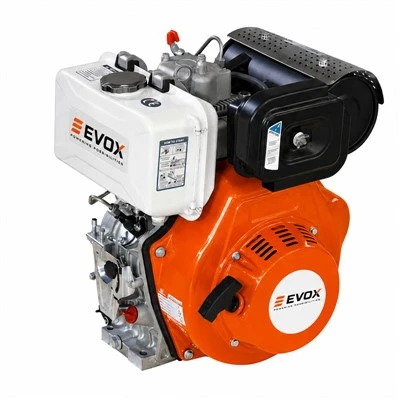
A gasoline engine, also known as a petrol engine, is an internal combustion engine that uses gasoline as its fuel source. It operates on the principle of converting the chemical energy stored in gasoline into mechanical energy through a series of controlled explosions within the engine’s cylinders. The basic components of a gasoline engine include cylinders, pistons, a crankshaft, a camshaft, valves, and a fuel – delivery system. Gasoline Engine
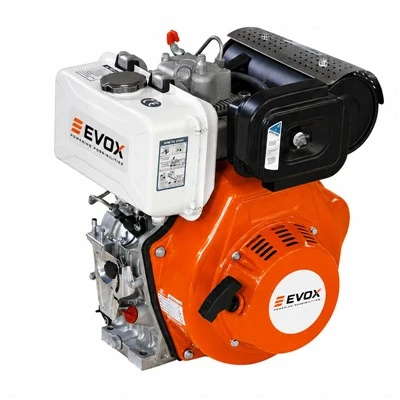
Gasoline engines are widely used in various applications, such as automobiles, motorcycles, small boats, lawnmowers, and generators. They offer several advantages, including relatively high power – to – weight ratios, smooth operation, and easy starting. However, they also face challenges such as fuel efficiency and environmental impact, as the combustion of gasoline releases pollutants like carbon monoxide, hydrocarbons, and nitrogen oxides.
Top 10 Gasoline Engine Suppliers
1. Evoxpower Technology
Evoxpower Technology is a forward – looking company that specializes in the development and production of high – performance gasoline engines. The company is committed to innovation, aiming to provide customers with cutting – edge engine solutions that combine power, efficiency, and environmental friendliness.
Features in Gasoline Engine
- Advanced Combustion Technology: Evoxpower’s engines are equipped with state – of – the – art combustion systems, which ensure more complete fuel combustion, resulting in higher power output and lower fuel consumption.
- Compact Design: The engines are designed to be compact, making them suitable for a wide range of applications where space is limited.
- Low Emission: With strict emission control technologies, Evoxpower engines meet or exceed international environmental standards, reducing the environmental impact.
Advantages
- R & D Strength: The company invests heavily in research and development, constantly exploring new materials and technologies to improve engine performance.
- Customization Service: Evoxpower can provide customized engine solutions according to the specific needs of customers, which is highly appreciated in the market.
- Global After – sales Service Network: It has established a comprehensive after – sales service network around the world, ensuring timely technical support and spare parts supply for customers.
Website: https://www.evoxpower.com/
2. Honda Motor Co., Ltd.
Honda is a world – renowned Japanese multinational corporation. It has a long – standing reputation for manufacturing high – quality automobiles, motorcycles, and power equipment. In the field of gasoline engines, Honda has made remarkable achievements.
Features in Gasoline Engine
- Reliability: Honda engines are known for their exceptional reliability. They are built with high – precision components and undergo strict quality control during the manufacturing process, which ensures long – term trouble – free operation.
- Fuel Efficiency: Honda has developed advanced fuel – injection and engine – management systems that optimize fuel consumption. For example, its Variable Valve Timing and Lift Electronic Control (VTEC) technology allows the engine to adjust the valve lift and timing according to different operating conditions, improving both power and fuel efficiency.
- Quiet Operation: The engines are designed with noise – reduction features such as well – insulated engine compartments and optimized engine – mounting systems, providing a quiet and comfortable operating environment.
Advantages
- Extensive Experience: With decades of experience in engine manufacturing, Honda has accumulated a wealth of technical knowledge and expertise, which enables it to produce top – notch engines.
- Brand Reputation: Honda’s brand is widely recognized and trusted by consumers around the world. The high brand loyalty gives it a competitive edge in the market.
- Broad Product Range: Honda offers a wide variety of gasoline engines for different applications, from small – displacement engines for lawnmowers to large – displacement engines for high – performance cars.
3. Toyota Motor Corporation
Toyota is another Japanese automotive giant. It is famous for its innovative technologies and focus on quality and reliability. Toyota’s gasoline engines are an important part of its product portfolio.
Features in Gasoline Engine
- Hybrid Compatibility: Toyota has been a pioneer in hybrid technology. Its gasoline engines are designed to work seamlessly with electric motors in hybrid vehicles. For example, the Atkinson – cycle engines used in Toyota’s hybrid models are more fuel – efficient by sacrificing some power at low speeds, which is compensated by the electric motor.
- Advanced Engine Management: Toyota’s engines are equipped with sophisticated engine – management systems that can precisely control fuel injection, ignition timing, and other parameters in real – time, improving engine performance and reducing emissions.
- Durability: The engines are built to last. Toyota uses high – quality materials and advanced manufacturing processes, and its engines can withstand high – load and long – term operation.
Advantages
- Safety and Environmental Protection – Oriented R & D: Toyota is committed to developing engines that are not only powerful but also environmentally friendly and safe. Many of its engines meet or exceed the strictest global emission standards.
- Large – scale Production and Cost – effectiveness: With its large – scale production capacity, Toyota can achieve economies of scale, which allows it to offer high – quality engines at a relatively competitive price.
- Strong R & D Team: Toyota has a large and highly – skilled R & D team that is constantly working on improving engine performance and developing new technologies.
4. Ford Motor Company
Ford is an American automotive company with a long history and a global presence. It has a wide range of gasoline engines that power its cars, trucks, and SUVs.
Features in Gasoline Engine
- Turbocharging Technology: Ford has made significant use of turbocharging technology in its gasoline engines. Turbocharged engines can provide more power and torque without increasing the engine’s displacement, resulting in better fuel efficiency and performance. For example, the EcoBoost engines use turbocharging and direct injection to deliver power comparable to larger – displacement engines while reducing fuel consumption.
- Flex – Fuel Capability: Some of Ford’s engines are designed to run on a variety of fuels, including gasoline – ethanol blends. This gives consumers more options and flexibility in fuel selection.
- Modular Design: Ford’s engines are often based on a modular design concept, which allows for easy customization and upgrades. This makes it easier to adapt the engines to different vehicle models and market requirements.
Advantages
- American – made Quality: Ford has always been associated with American – made quality and toughness. Its engines are built to handle tough working conditions, which is especially important for trucks and commercial vehicles.
- Strong Marketing and Distribution Network: Ford has a well – established global marketing and distribution network, which ensures that its engines can reach a wide range of customers quickly and efficiently.
- Continuous Innovation: Ford invests a large amount of resources in research and development to continuously improve its engine technologies, such as advanced combustion methods and lightweight materials.
5. Volkswagen Group
Volkswagen is a German automotive group that owns several well – known brands, including Volkswagen, Audi, Porsche, and others. Its gasoline engines are known for their high – end technology and performance.
Features in Gasoline Engine
- Direct Injection Technology: Volkswagen’s engines widely use direct injection technology, which injects fuel directly into the combustion chamber. This results in more precise fuel control, better combustion efficiency, and increased power output.
- High – Performance Tuning: The group offers high – performance gasoline engines in its sports car models, such as Porsche. These engines are tuned to deliver exceptional acceleration and top – speed performance, with advanced engine management and cooling systems.
- Lightweight Construction: Volkswagen uses lightweight materials such as aluminum in engine construction to reduce the overall weight of the engine, improving fuel efficiency and vehicle handling.
Advantages
- German Engineering Precision: German engineering is famous for its precision and quality. Volkswagen’s engines are manufactured with high – precision machining and strict quality control, ensuring reliable performance.
- Brand Portfolio Synergy: The group can share engine technologies and development resources among its different brands, which promotes technological innovation and cost – reduction.
- Global Market Penetration: Volkswagen has a strong global market presence, and its engines are used in a large number of vehicles around the world, which gives it a large customer base and market influence.
6. General Motors Company
General Motors (GM) is one of the largest automotive manufacturers in the United States. It has a long history of gasoline – engine development and production.
Features in Gasoline Engine
- Displacement on Demand (DoD) Technology: Some of GM’s engines feature Displacement on Demand technology, which can deactivate some of the engine’s cylinders under light – load conditions. This significantly improves fuel efficiency without sacrificing power when needed.
- High – Output Engines: GM offers high – output gasoline engines for its performance vehicles, such as the Corvette. These engines are designed to deliver high – power and high – torque, providing an exciting driving experience.
- Advanced Cooling Systems: The engines are equipped with advanced cooling systems to ensure stable operation under high – load and high – temperature conditions, which is important for long – term performance and durability.
Advantages
- Rich Heritage in Engine Manufacturing: GM has been in the engine – manufacturing business for a long time, and it has a deep understanding of engine technology and customer needs.
- Diverse Product Line: GM produces gasoline engines for a wide range of vehicles, from small cars to large trucks and SUVs, which allows it to meet the different needs of various market segments.
- Continuous Product Improvement: The company is constantly working on improving its engine performance, fuel efficiency, and durability through research and development and customer feedback.
7. BMW Group
BMW is a German luxury automobile and motorcycle manufacturer. Its gasoline engines are renowned for their performance and driving dynamics.
Features in Gasoline Engine
- Valvetronic Technology: BMW’s Valvetronic technology allows for infinitely variable adjustment of the intake valve lift, which improves engine efficiency and power delivery across a wide range of engine speeds.
- High – Revving Engines: BMW engines are often designed to rev high, providing a thrilling driving experience. The high – revving nature allows the engines to produce more power at higher RPMs.
- TwinPower Turbo Technology: BMW’s TwinPower Turbo engines combine turbocharging with direct injection and variable valve control, delivering high power and torque while maintaining good fuel efficiency.
Advantages
- Luxury Brand Image: BMW’s luxury brand image attracts customers who are willing to pay a premium for high – performance engines. The brand’s reputation for quality and innovation gives it an edge in the high – end market.
- Motorsport Heritage: BMW has a long – standing motorsport heritage, and the technologies developed in motorsport are often transferred to its production engines, resulting in high – performance and advanced engines.
- Driver – Focused Design: The engines are designed with the driver in mind, emphasizing smooth power delivery, responsive throttle, and a sporty driving experience.
8. Nissan Motor Co., Ltd.
Nissan is a Japanese multinational automobile manufacturer. It has a diverse range of gasoline engines that power its vehicles around the world.
Features in Gasoline Engine
- Variable Compression Ratio Technology: Nissan has developed Variable Compression Ratio (VC – Turbo) technology. This technology allows the engine to adjust its compression ratio according to driving conditions, providing a balance between power and fuel efficiency.
- Direct Injection and Turbocharging: Many of Nissan’s engines combine direct injection and turbocharging to improve power output and fuel economy. These engines can deliver strong performance while meeting strict emission standards.
- Quiet and Smooth Operation: Nissan focuses on reducing engine noise and vibration, providing a quiet and smooth driving experience. The engines are designed with advanced engine mounts and noise – reduction materials.
Advantages
- Innovative Technology Development: Nissan is committed to developing innovative engine technologies. The VC – Turbo technology is a prime example of its R & D efforts, which gives it a technological advantage in the market.
- Global Production and Sales Network: The company has a global production and sales network, which enables it to quickly introduce new engine models to different markets around the world.
- Cost – effective Solutions: Nissan offers gasoline engines that provide good performance at a relatively affordable price, which makes its vehicles more accessible to a wider range of customers.
9. Subaru Corporation
Subaru is a Japanese automobile manufacturer known for its unique engineering and all – wheel – drive vehicles. Its gasoline engines have some distinct features.
Features in Gasoline Engine
- Boxer Engine Design: Subaru’s engines feature a boxer (horizontally – opposed) design, where the pistons move horizontally in opposite directions. This design provides a lower center of gravity, which improves vehicle stability and handling.
- All – Wheel – Drive Compatibility: Subaru’s engines are designed to work well with its all – wheel – drive systems. The balanced power delivery to all four wheels enhances traction and driving performance in various road conditions.
- Ruggedness: The engines are built to be rugged and durable. They are designed to withstand harsh driving conditions, making Subaru vehicles popular in regions with challenging terrains.
Advantages
- Unique Engineering Concept: The boxer engine design is unique to Subaru, which gives its vehicles a distinctive character and performance advantage.
- Loyal Customer Base: Subaru has a loyal customer base that appreciates the brand’s engineering quality, all – wheel – drive capabilities, and reliability.
- Environmental Considerations: Subaru is also working on improving the environmental performance of its engines, such as developing engines with lower emissions and better fuel efficiency.
10. Fiat Chrysler Automobiles (FCA) (Now part of Stellantis)
FCA was an Italian – American automotive corporation before merging into Stellantis. It had a wide range of gasoline engines for its various brands, including Fiat, Chrysler, Dodge, and Jeep.
Features in Gasoline Engine
- Multi – Air Technology: FCA’s engines use Multi – Air technology, which allows for precise control of the intake valves. This technology improves engine breathing, power output, and fuel efficiency.
- High – Torque Engines: The company offers high – torque gasoline engines, especially for its off – road and performance vehicles like Jeep and Dodge. These engines can provide strong pulling power in challenging driving situations.
- Cylinder Deactivation: Similar to some other manufacturers, FCA’s engines also feature cylinder deactivation technology to improve fuel efficiency during light – load operation.
Gasoline Engine Advantages
- Diverse Brand Portfolio: FCA’s diverse brand portfolio allows it to target different market segments with various engine types. For example, Fiat offers small – displacement engines for city cars, while Dodge provides high – performance engines for muscle cars.
- Off – road and Performance Expertise: FCA has a long – standing reputation for off – road and performance vehicles. The engines are designed to meet the specific requirements of these types of vehicles, such as high – torque at low speeds for off – roading.
- Global Manufacturing and Distribution: Although now part of Stellantis, FCA had a global manufacturing and distribution network, which enabled it to supply engines to different regions of the world.
