When I started my company as a takeout box supplier back in 2016, I never imagined that one of the most common questions I’d get from restaurant owners and delivery managers wouldn’t be about how durable our containers are, or if they leak, but simply: “How much does an empty takeout box weigh?” At first, I thought it was a trivial question—just a number, right? But over the years, as I’ve sat across from hundreds of chefs and operations leads, I’ve realized this weight is actually a small, quiet detail that ripples through everything from delivery costs to a restaurant’s carbon footprint. Today, I want to break down why that weight matters, how we measure it as a supplier, and what it means for anyone who relies on takeout containers every day. Takeout Box
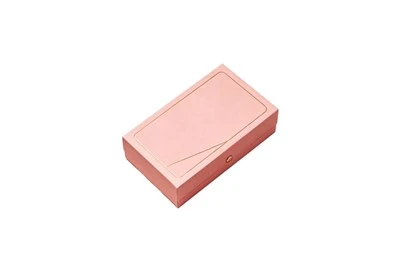
Let’s start with the basics. An empty takeout box isn’t a uniform object—its weight changes based on three big factors: material, size, and design. The most common materials you’ll find for takeout boxes are plastic, foam, and paper (often coated for grease resistance or water resistance). Plastic boxes, usually made from polypropylene (PP), are the lightest of the three, on average. Our standard 12-ounce round PP takeout box, the kind you see for salads or small sides, weighs just 8 grams when empty. Our 24-ounce rectangular PP box, popular for pasta or stir-fry, clocks in at 11 grams. If you’re using a larger plastic box, say the 32-ounce one for family meals, that jumps to 14 grams. It makes sense—more material means more weight, and PP is a lightweight polymer to begin with.
Foam boxes, the old-school clamshell style you might remember from burger joints, are even lighter? Wait, no—wait, actually, foam (polystyrene, or PS) is very low density, but the clamshell design requires a thicker rim to hold its shape when closed. Our medium foam clamshell, for example, weighs in at 15 grams—heavier than the same-sized PP box. That’s a key point: it’s not just the material’s density, but how the container is engineered. The paper boxes we make are a different story. Most paper takeout boxes use heavy-duty kraft paper with a polyethylene (PE) coating to prevent leaks. A standard 16-ounce paper soup container weighs around 22 grams, and a 32-ounce rectangular paper box for entrees is about 28 grams. The extra weight comes from the paper stock and the plastic coating, which adds a thin layer of material to keep liquids from seeping through when you toss a container in a delivery bag.
Now, you might be thinking: “8 grams vs. 28 grams—who cares? That’s barely anything.” But let’s put that number in context, because when you’re shipping thousands of boxes a week, those small weights add up fast. Take delivery costs, for example. A lot of restaurants partner with third-party delivery apps that charge based on total order weight. If a customer orders a 1-pound pasta, the total weight on the app is the food plus the takeout box. If that box is 14 grams instead of, say, 25 grams, that’s a 11-gram difference. Multiply that by 500 deliveries a week, and you’re adding 5.5 kilograms (about 12 pounds) to your weekly delivery weight. Over a year, that’s nearly 600 extra pounds the delivery driver has to carry, and that extra weight translates to higher fees from the app. I’ve had a client, a small Italian restaurant in Brooklyn, switch from a heavy paper pasta box to our light PP version a few years ago. Their monthly delivery costs dropped by almost $180, just from the lower box weight. They didn’t notice any difference in quality— the PP box was just as sturdy, and there were no leaks. But that small weight cut made a huge impact on their bottom line.
Then there’s the environmental side of things. As a supplier, we get a lot of questions about sustainability, and the weight of the empty box is a big part of that. The lighter the container, the less raw material we use to make it, which means less energy spent manufacturing and less waste when it’s disposed of. Let’s do the math again: if a restaurant uses 10,000 paper takeout boxes a month that average 28 grams each, that’s 280 kilograms (about 617 pounds) of paper and plastic waste going into landfills or recycling. If they switch to our lightweight PP boxes at 14 grams each, that’s only 140 kilograms (308 pounds) of waste—half as much. And since PP is recyclable (as long as it’s not contaminated with food grease), that means less demand for virgin plastic and less strain on waste management systems. Of course, this isn’t to say that lighter is always better—you don’t want a box so thin that it splits open mid-delivery, spilling food all over. That’s why we spend so much time testing every product we make: we balance weight with durability. Our engineers run drop tests, stack tests, and leak tests to make sure that even our lightest boxes hold up to the rigors of delivery, tight bagging, and being loaded into cars or bikes.
Another thing people don’t always consider is how empty takeout box weight affects storage. If you have a small restaurant kitchen, storage space is at a premium. A stack of heavy boxes takes up more room than a stack of lighter ones. Let’s say you have a shelf that can hold 500 empty paper boxes. Each 32-ounce paper box is 28 grams, so 500 of them weigh 14 kilograms. The same number of our 32-ounce PP boxes weigh 7 kilograms—half as much. That means you can fit twice as many boxes on the same shelf, or use the extra space for food prep supplies or extra seating. For a busy restaurant, that kind of space savings is invaluable. I remember a taco spot in Queens that was cramming their paper boxes into a tiny closet at the back of the kitchen. Once they switched to our lighter PP tortilla containers, they were able to clear out a whole section of that closet and turn it into a station for making salsas and toppings. It might sound like a small change, but when you’re running a tight operation, every bit of space counts.
Now, you might be wondering: how do we, as a supplier, ensure that the weight of our takeout boxes is consistent? Because if one box is 10 grams and the next is 12 grams, that inconsistency messes up all the calculations we just talked about. We have a whole quality control process for this. Every batch of boxes comes off the production line, and we pull random samples—usually 50 boxes per batch—and weigh them on precision scales that measure to the tenth of a gram. We also check for variations in size, thickness, and shape, because even a tiny difference in how a box is molded can add a gram or two to its weight. If a batch doesn’t meet our standard weight tolerance (which is plus or minus 0.5 grams), we send it back to be reprocessed. Consistency is key here, because restaurant owners rely on our boxes to be uniform every single time. You don’t want to open a pack of takeout boxes and find that half of them are heavier than the rest, throwing off your delivery weights or storage counts.
I should also mention that there are other factors that can affect the weight of an empty takeout box beyond material and size. For example, boxes with built-in features—like handles, vent holes, or separate compartments—will weigh more than a simple, unmodified box. A 32-ounce compartmentalized PP box, for example, is 16 grams instead of 14 grams, just because of the divider in the middle. Boxes with custom printing—logos, menu items, or promotional art—also add a tiny bit of weight, because the ink and the coating for the printing add a thin layer of material. When we work with clients on custom boxes, we always inform them of this weight difference, so they can factor it into their delivery and cost calculations.
Over the years, I’ve had some interesting conversations about takeout box weight. Once, a sushi chef came to me complaining that his delivery costs were too high, and he thought it was because the app was overestimating the weight of his orders. We tested his existing boxes and found they were 3 grams heavier than industry average, because they were made with extra-thick plastic for insulation. We suggested switching to our insulated PP boxes, which are just as thick but engineered to be lighter, cutting the weight by 2 grams per box. His delivery costs went down, and his customers didn’t notice a difference—their sushi stayed just as warm. Another time, a café owner was worried about the environmental impact of her paper boxes, and asked if there was a way to get a lighter, more sustainable option. We worked with our design team to create a 12-ounce paper box made from 100% recycled kraft paper, with a thinner PE coating, that weighed 18 grams instead of the standard 22 grams. It was still grease-resistant, durable, and way lighter than the old version. She was able to advertise her “lighter, eco-friendly boxes” to her customers, which boosted her brand, and the weight reduction cut her waste by 18% a month.
So, when someone asks me “how much does an empty takeout box weigh?”, I don’t just give them a number. I tell them it depends on what they need it for. If they’re running a fast-food burger joint that needs lightweight, cheap containers, our foam clamshell at 15 grams might be perfect. If they’re a fine-dining restaurant serving soups or salads that need to stay hot or cold, our insulated PP boxes at 12 to 16 grams are ideal. If sustainability is their top priority, our 100% recycled paper boxes at 18 to 28 grams balance weight, durability, and eco-friendliness. The weight is a small detail, but it’s a detail that ties together a restaurant’s budget, their operations, and their impact on the planet.
At the end of the day, being a takeout box supplier isn’t just about selling containers. It’s about understanding the needs of the people who use them every day—whether that’s a small café trying to save money, a family restaurant looking to reduce waste, or a big chain optimizing their delivery logistics. That’s why we don’t just dump boxes on our clients and move on. We sit down with them, talk through their biggest pain points, and find a solution that fits their specific needs, including the right box weight. If you’re a restaurant owner, delivery manager, or anyone who works with takeout boxes regularly, I’d encourage you to think about that empty box weight next time you place an order. It might just be the small change that makes a big difference for your business.

If you’re looking to switch to more efficient takeout boxes, or if you have questions about box weights, durability, or sustainability, feel free to reach out to our team to discuss your needs. We’re here to help you find the right solution for your operation.
Cosmetic Box References
- United States Environmental Protection Agency. (2022). Sustainable Management of Food and Packaging. EPA.
- National Restaurant Association. (2021). Restaurant Operations and Delivery Cost Analysis. National Restaurant Association.
- American Society for Testing and Materials. (2020). Standard Test Methods for Measuring the Weight and Dimensions of Disposable Food Service Containers. ASTM International.
- Packaging Association. (2023). Lightweight Packaging Trends in the Food Service Industry. Packaging Association.
Dongguan Jinying Printing Co., Ltd.
As one of the most experienced takeout box manufacturers and suppliers in China and Vietnam, we also support custom service and OEM service. Welcome to buy bulk luxury takeout box at competitive price from our factory. If you have any enquiry about cooperation, please feel free to email us.
Address: No. 5, 1st Road, Jingshan Third Industrial Zone, Chashan Town, Dongguan City, Guangdong Province
E-mail: inquiry@dg-jinying.com
WebSite: https://www.gpspacking.com/
