Hey there, fellow garden lovers and landscape pros! If you’ve ever spent an afternoon hauling soil, bags of mulch, garden debris, or those way too many potted plants from your truck to the back corner of your yard, you know how much of a game-changer a solid garden cart can be. Trust me, I’ve been in this game long enough—ever since I started selling garden carts (yeah, that’s me, your go-to supplier for all things cart-related) I’ve seen people waste so much time and energy using the wrong tool for the job. Garden Cart
Today we’re breaking down all the different types of garden carts out there, so you can stop guessing and pick the one that fits your needs—whether you’re a weekend warrior with a tiny suburban plot, a small-scale gardener, or a pro managing a big job site. Let’s dive in, no boring jargon, just real talk about what works (and what’s a total waste of money).
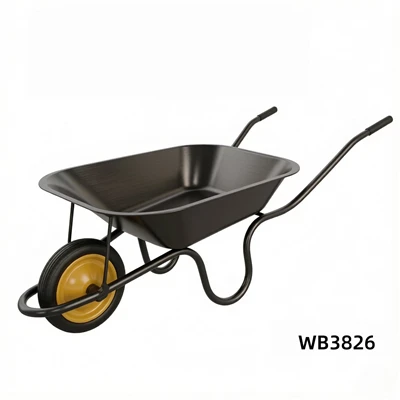
First off, let’s get one thing straight: not all garden carts are created equal. I’ve had customers come in asking for “a regular cart” and leave with something totally wrong, like a flimsy plastic model that can’t handle a single bag of topsoil. That’s why knowing the types is half the battle. Let’s start with the most common one that’s probably in half the garages and shed around the world: the standard steel wheelbarrow. Wait, hold on—before you scroll past, yes, I know wheelbarrows are technically a type of garden cart, but they’re worth covering because so many people mix them up. The standard wheelbarrow has one big wheel in the front, two handles, and a tub made of either steel or plastic.
Why do people love these? They’re lightweight, easy to maneuver in tight spaces, and cheap. But here’s the catch: they require balance. If you’re hauling heavy stuff like rocks or concrete mix, you have to lift one side, which can be tough on your back, especially if you’ve got a bad knee or just finished a long week at work. I always tell my customers: if you’re only moving small loads around a small garden, a wheelbarrow is fine. But if you’ve got more to haul, or you don’t want to fight gravity every time, keep reading.
Next up, the dual-wheel garden cart—this is the best-seller on my shelf, hands down. It’s got two wheels (usually pneumatic, so they don’t go flat) on either side, a flat bed instead of a tub, and two handles at the back. No balance needed! You just load it up, grab the handles, and roll. These come in all sizes: small ones that can handle a couple of bags of potting soil for balcony gardens, and heavy-duty models that hold 500+ pounds perfect for moving firewood, topsoil, or full-grown shrubs.
What makes these stand out? The stability. I’ve had a grandma come in and grab one of these because she can’t balance a wheelbarrow, and she uses it to haul her tomato plants and mulch every spring. For pros, the heavy-duty dual-wheel carts are a workhorse—they don’t tip over, even when you load them unevenly (something I’ve definitely seen beginners do with wheelbarrows). The only downside? They’re a bit wider than a single-wheel, so they might not fit through super narrow fence gaps or between rows of tiny plants. But most people find that trade-off is totally worth it for no back strain.
Then there’s the four-wheel garden cart—this is the behemoth for serious work. Think of a small, rugged trailer with a handle that you pull behind you. Some models even have a hitch, so you can hook them up to a riding lawn mower or ATV if you’ve got a huge property. Four-wheel carts have the most weight capacity—we’ve got a model that holds 1,200 pounds, which is enough for several bags of gravel or a whole load of compost. They’re super stable, almost impossible to tip, and great for flat or slightly uneven ground.
Who should use a four-wheel? If you’re a landscaper working on multiple properties, someone with an acre or more of land, or even a farmer with a small plot. The catch here is maneuverability. They’re big, so turning them around in tight spots or a small garden is a pain. They’re also heavier when empty, so pulling them around takes a bit more effort than a dual-wheel. But if you’ve got lots of ground to cover and heavy stuff to move, this is your guy.
Wait, what about the foldable garden cart? I get so many questions about these, especially from people with small sheds or limited storage. Foldable carts are usually dual-wheel or four-wheel, but the bed collapses flat so you can tuck it in a closet or under a bench when you’re not using it. They’re made of lightweight materials, so they’re easy to fold and unfold, but most don’t have super high weight capacities—usually around 200 to 300 pounds. Perfect for apartment dwellers who have a small balcony garden, or people who only use their cart a few times a year (like when they mulch in spring or clean up leaves in fall). I always tell people: don’t buy a foldable cart if you’re hauling heavy stuff regularly, but if storage is your main issue, it’s a solid pick.
Oh, and let’s not forget the poly garden cart—wait, no, actually, let’s split this into material types because that’s a huge part of choosing the right cart. A lot of people don’t realize that the bed of the cart is just as important as the number of wheels. You’ve got plastic (poly) beds, steel beds, and even fabric beds.
Poly beds are super popular because they’re lightweight, rust-proof, and easy to clean. If you spill mud or soil on a poly cart, just hose it off and it’s good as new. They also don’t scratch or dent, so they last a long time. The downside? They’re not as strong as steel, so if you’re hauling really heavy, sharp stuff like rocks or broken concrete, a poly bed might crack. That’s why I tell customers: use poly for soil, mulch, plants, and general garden stuff, but for construction or heavy debris, go steel.
Steel beds are built tough—they can handle almost anything, from gravel to tree branches. They’re also sturdy, so they don’t bend or warp under weight. The only downside is they can rust if you leave them out in the rain all the time, so you have to oil them occasionally or keep them covered. Also, they’re heavier when empty, which makes them a bit harder to maneuver if you’re weak or working alone. But for pro use, steel is the way to go.
Then there are fabric garden carts—these are mostly the foldable ones, right? The bed is made of heavy-duty canvas or polyester, so they’re super lightweight and fold up tiny. But they’re not for heavy loads at all. I’ve had customers try to put two bags of potting soil in a fabric cart and the bed stretched so bad they could barely pull it. They’re great for light stuff: leaves, small branches, potted plants, and annual garden waste. Just don’t overload them.
Wait, another type I almost missed: the utility garden cart, sometimes called a dump cart. Oh man, these are a game-changer for emptying stuff! A dump cart has a lever or a handle that lets you tip the bed up and dump out the load without lifting a thing. No more hauling the cart over to the compost pile and struggling to pour soil or mulch out. Most dual-wheel and four-wheel heavy-duty models are dump carts, and honestly, once you use one, you’ll never go back. I always recommend these, especially for people who have to empty their cart often. The non-dump ones are cheaper, but the convenience of a dump feature is worth every penny, in my opinion.
Let’s talk about specific use cases, because that’s how you narrow it down. If you’re a suburban homeowner with a 1/4 acre plot, mostly moving mulch, soil, and small plants: go for a dual-wheel dump cart with a poly bed, pneumatic wheels (they absorb bumps so it’s smoother), and a 400-500 pound capacity. That’s the sweet spot. If you’re a weekend gardener with a tiny balcony or patio: a foldable fabric or lightweight poly dual-wheel cart, around 200 pound capacity, easy to store. If you’re a landscaper or small farmer with big jobs: a heavy-duty four-wheel steel dump cart, 800+ pound capacity, maybe with an ATV hitch if you have one. If you only do small jobs around the yard, like moving tools or a few bags of fertilizer: a standard wheelbarrow works fine, but only if you don’t mind balancing.
Wait, let’s be real, I’ve made mistakes too. Early on in the business, I sold a guy a foldable fabric cart for moving firewood, and he came back two weeks later mad because the bed tore. I felt terrible, but that’s why I love educating people—helping them pick the right cart saves them time, money, and frustration. Another common mistake: people buy a cart with solid rubber wheels thinking they’re better, but solid wheels are way bumpier than pneumatic (air-filled) ones. They’re also harder to push over grass or gravel. Pneumatic wheels are the way to go for most people, unless you’re in an area with lots of thorns or sharp rocks that can puncture tires—then a semi-pneumatic or solid rubber is better.
What about accessories? I should mention that even the best cart can be upgraded. We sell liner bags for poly beds so you don’t have to clean them as much, tool holders on the handles for your trowels and pruners, and even seat attachments if you want to take a break while you’re working. But you don’t need all that stuff upfront—just get the right type for your needs first, then add extras as you go.
Here’s the thing: a garden cart isn’t just a luxury. It’s an investment in your back, your time, and your sanity. I’ve seen people skip working in the garden because hauling stuff is such a pain, and that sucks. When you have the right cart, you get more done in less time, and you actually enjoy being outside instead of huffing and puffing and worrying about dropping a bag of soil all over the lawn.
Now, if you’re tired of using a cart that doesn’t fit your needs—whether it’s too flimsy, too heavy, too hard to store, or just plain wrong for the jobs you do—we’ve got you covered. We carry all the types I talked about: single-wheel, dual-wheel, four-wheel, foldable, poly, steel, dump, you name it. Our team can help you find the exact one that works for your garden size, workload, and storage space. No pushy sales stuff, just real advice from people who’ve been in the garden (and the cart business) for years. If you’re ready to upgrade your garden setup, hit us up to chat about your needs, and we’ll hook you up with the perfect cart.
Wheelbarrows References:
- American Society of Landscape Architects. (2022). Tools and Equipment for Residential Landscaping. ASLA Resource Guide.
- National Gardening Association. (2021). Gardening Tools & Supplies: A Buyer’s Guide. NGA Consumer Publications.
- Outdoor Power Equipment Institute. (2020). Utility Carts for Residential and Commercial Use. OPEI Product Safety and Education Report.
- University of California Agriculture and Natural Resources. (2019). Small-Scale Garden Equipment: Selection and Use. UC ANR Publication 8535.
Qingdao Herzhe Tools Manufacturing Co., Ltd.
Qingdao Herzhe Tools Manufacturing Co., Ltd. is one of the most professional garden cart manufacturers and suppliers in China. We have world-leading production equipment and strong manufacturing capabilities. Please feel free to buy advanced garden cart at competitive price from our factory.
Address: No. 406 Shuangfushan Road, Baoshan Town, Qingdao CHINA
E-mail: herzhetool@163.com
WebSite: https://www.herzhetoolsmfg.com/
