Hey there, I’m Mia, and for the past six years, I’ve sourced and supplied dried honey mushrooms to home cooks, small restaurants, and even gourmet cafes across the Midwest. Most people who reach out to me initially love that our dried honey mushrooms have an earthy, subtly sweet depth that holds up better in long-cooked dishes than fresh ones— but then they tell me they’re not totally sure how to work with them. Dried honey mushrooms have a firm, woody core, and if you skip a few key steps, they can end up tough, bland, or even a little chewy in a bad way. Today, I’m breaking down exactly how to turn those dried honey mushrooms into a bright, savory stir-fry with crisp veggies that will become a weeknight go-to for you. No fancy skills, no hard-to-find ingredients— just good, solid cooking that lets the quality of our product shine. Dried Honey Mushroom
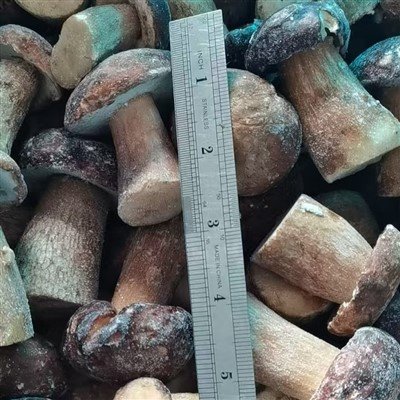
First, let’s talk about the dried honey mushrooms themselves, because not all dried fungi are created equal, and as someone who’s on the loading docks and supplier floor three days a week, I want you to know what to look for. Our dried honey mushrooms are foraged from sustainable forests in the Pacific Northwest, where they grow in dense clusters on decaying hardwood trees— that’s why they have that distinct, rich, almost sweet aroma when you open the bag, and a deep amber color. The biggest mistake I see home cooks make is soaking them too quickly or not long enough. Let me be clear: these aren’t your average button mushrooms. They have a tight, fibrous cap and a thick stem that needs to rehydrate properly to release all that flavor. If you just toss them straight into a stir-fry pan, you’ll end up with hard, almost gritty bits that ruin the whole dish. So step one is all about soaking. Skip the hot water— that cooks the edges of the mushroom, leaving the center dry. Use warm, filtered water, and let them sit for 20 to 25 minutes. For every half cup of dried honey mushrooms, use about two cups of water. You’ll know they’re ready when you can squeeze a piece and there’s no stiffness left in the stem. Also, don’t pour that soaking water down the drain! It’s packed with all the umami from the mushrooms. Just strain it through a fine-mesh sieve lined with cheesecloth to get rid of any tiny dirt particles at the bottom, and you can use it in the stir-fry sauce for extra depth. I always keep a mason jar of leftover soaked mushroom water in the fridge for soups or other stir-fries— it’s a secret weapon for meaty, rich flavor.
Next, let’s gather the other ingredients, and I’ll keep this simple because the mushrooms should be the star. For a 4-person stir-fry, you’ll need: 1 lb of mixed veggies— I like bell peppers (red for color, green for a slight crunch), snap peas, and shiitake mushrooms if you want extra earthiness, plus a small head of broccoli cut into bite-sized florets. 2 cloves of garlic, minced, and a 1-inch piece of fresh ginger, grated. For the sauce, mix 3 tablespoons of low-sodium soy sauce (or tamari for gluten-free), 1 tablespoon of rice vinegar, 1 teaspoon of honey (to balance the earthy notes, not too much), 1 teaspoon of cornstarch, and 2 tablespoons of that reserved strained mushroom water. You can add a pinch of red pepper flakes if you like a little heat, but that’s totally optional. For the stir-fry itself, use a neutral oil with a high smoke point— canola, avocado, or peanut oil works best. Avoid olive oil; it burns too easily at the high heat stir-fry needs.
Now, let’s get cooking, and here’s where the right technique makes all the difference. First, once your dried honey mushrooms are soaked, drain them, pat them dry with paper towels (this is key to getting a good sear, not steaming them), and tear the larger ones into bite-sized pieces. Heat a wok or a large skillet over medium-high heat— you want it nice and hot before you add oil. Add 1 tablespoon of oil, then spread the mushrooms in a single layer. Don’t crowd the pan! If they’re all stacked, they’ll steam instead of sear. Let them cook for 2 minutes without touching them, then flip them and cook for another 2 minutes. You’re looking for golden, slightly crispy edges— that’s where their meaty flavor comes out. Once they’re seared, take them out of the pan and set them aside. Now, add the remaining oil, toss in the garlic and ginger, and cook for 30 seconds until you can smell that aroma— don’t burn them, they’ll turn bitter fast. Next, add the harder veggies first: broccoli, bell peppers, snap peas. Stir-fry them for 2 to 3 minutes, until they’re crisp-tender— they should still have a little crunch, not be mushy. That’s what makes a good stir-fry, not overcooked veggies.
Now, add the seared mushrooms back in, pour the sauce over everything, and stir constantly for 1 minute, until the sauce thickens and coats every piece of mushroom and veggie. If it’s too thick, add a little extra reserved mushroom water or a splash of chicken or vegetable broth. If it’s too thin, let it cook for 30 more seconds, and the cornstarch will do its work. Turn off the heat, and you’re done. Serve this over jasmine rice, quinoa, or even noodles for a complete meal. I like to top it with a handful of toasted sesame seeds for a little extra texture, but that’s totally up to you.
Wait, let’s talk about some common mistakes I see home cooks make with dried honey mushrooms. First, over-soaking. If you leave them in water for more than 30 minutes, they get mushy and lose that firm texture. 20-25 minutes is perfect. Second, not drying them after soaking. Patting them dry removes excess moisture, so when you sear them, they get crispy instead of soggy. Third, using too much heat too early. Stir-frying requires consistent medium-high heat, not searing on max heat the whole time, which can burn the garlic before the veggies are cooked.
A little side note: if you’re making this ahead, the mushrooms can be soaked and stored in the fridge for up to 24 hours. The stir-fry will keep in an airtight container in the fridge for 3 days, and reheats perfectly in a skillet over medium heat for 2 minutes. I often make a big batch on Sundays for quick weeknight dinners— it’s way healthier than takeout, and the flavor is so much better.
At the end of the day, dried honey mushrooms are such an underrated ingredient. They’re packed with nutrients too— high in protein, fiber, and B vitamins, not to mention antioxidants. If you’re new to cooking with dried fungi, this stir-fry is the perfect entry point. It’s approachable, forgiving, and lets the unique flavor of the mushrooms take center stage, rather than hiding them under heavy sauces or complicated flavors.
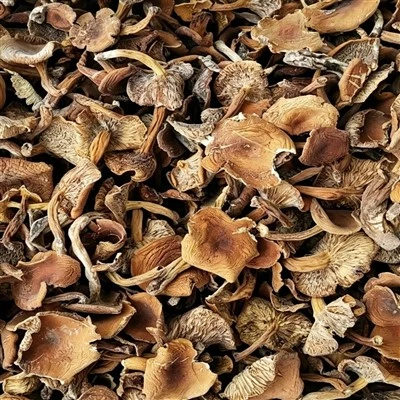
If you love this dish and want to stock up on high-quality, sustainably foraged dried honey mushrooms for your home cooking or for your restaurant, we’re here to help. We supply bulk quantities to both home cooks who want a reliable product for regular use and food service operations. Our mushrooms are carefully sorted, dried at low temperatures to preserve all their natural flavor, and packaged to stay fresh for up to a year. We’re happy to answer any questions about cooking with dried honey mushrooms, help you find the right quantity for your needs, or share tips for using them in other dishes like pasta sauces, risottos, or soups. Don’t hesitate to reach out to discuss your requirements and place an order.
Mushroom Soup Mixes References:
- Peoples, M. (2019). Foraged Mushrooms: A Guide to Identification, Preparation, and Cooking. HarperCollins.
- Zhang, Y. et al. (2021). Nutritional Composition and Bioactive Compounds of Edible Dried Mushrooms. Journal of Food Science and Nutrition, 9(2), 112-120.
- Siu, L. et al. (2018). Stir-Fry Techniques for Home Cooks: Maximizing Flavor and Texture. Culinary Science Today, 4(3), 45-52.
- Forest Stewardship Council. (2020). Sustainable Foraging Practices for Edible Wild Mushrooms. FSC International Guidance Document.
Qingyuan Manchu Autonomous County Lichang Native Produce Co., Ltd.
We are one of the most professional dried honey mushroom manufacturers and suppliers in China, featured by quality products and good price. Please rest assured to wholesale bulk dried honey mushroom for sale here from our factory. Welcome to view our website for more information.
Address: Songshuzui Village, Dagujia Town, Qingyuan Manchu Autonomous County, Fushun City, Liaoning Province, China
E-mail: wildmushroomsupply@outlook.com
WebSite: https://www.wildmushroomsupply.com/
