As a supplier of zinc die castings, I’ve witnessed firsthand the transformative power of additives in this manufacturing process. Zinc die casting is a widely used method for producing high – quality, complex – shaped metal parts. It offers excellent dimensional accuracy, high production efficiency, and good mechanical properties. However, the addition of certain elements can further enhance these characteristics, making the end – product even more suitable for a wide range of applications. Zinc Die Castings

Enhancing Fluidity
One of the primary roles of additives in zinc die castings is to improve fluidity. During the die – casting process, molten zinc needs to flow smoothly into every corner of the mold cavity to form the desired part. Poor fluidity can lead to incomplete filling, resulting in parts with defects such as porosity or cold shuts.
Additives like aluminum are commonly used to enhance the fluidity of zinc alloys. Aluminum has a relatively low melting point and can form a eutectic mixture with zinc. This eutectic mixture has a lower melting temperature than pure zinc, which means that the molten alloy can flow more easily at a given casting temperature. For example, in a zinc – aluminum alloy with around 4% aluminum content, the fluidity can be significantly improved compared to pure zinc. This allows for the production of thinner – walled parts with greater detail and complexity.
Magnesium is another additive that can have a positive impact on fluidity. It helps to reduce the surface tension of the molten zinc, allowing it to spread more evenly in the mold. Magnesium also forms a thin oxide layer on the surface of the molten metal, which can prevent oxidation and further improve the flow characteristics.
Improving Mechanical Properties
The mechanical properties of zinc die castings, such as strength, hardness, and ductility, are crucial factors in determining their suitability for different applications. Additives can play a key role in tailoring these properties to meet specific requirements.
For instance, copper is often added to zinc alloys to increase strength and hardness. Copper forms a solid solution with zinc, which strengthens the alloy matrix. In zinc – copper alloys, the copper atoms occupy lattice positions in the zinc crystal structure, creating a distortion that makes it more difficult for dislocations to move. This results in an increase in the yield strength and tensile strength of the alloy. A zinc – copper alloy with a copper content of around 1 – 3% can have significantly higher strength compared to a pure zinc casting.
Nickel is another additive that can enhance the mechanical properties of zinc die castings. It improves the corrosion resistance of the alloy and also contributes to increased strength and hardness. Nickel forms intermetallic compounds with zinc, which act as strengthening agents. These compounds are finely dispersed throughout the alloy matrix, providing additional resistance to deformation.
On the other hand, some additives can improve ductility. For example, small amounts of titanium can be added to zinc alloys to refine the grain structure. A finer grain structure allows for more uniform deformation during mechanical loading, resulting in improved ductility. This is particularly important for applications where the parts need to withstand some degree of bending or stretching without cracking.
Corrosion Resistance
In many applications, zinc die castings are exposed to harsh environments that can cause corrosion. Additives can be used to enhance the corrosion resistance of these parts, extending their service life.
Chromium is an effective additive for improving corrosion resistance. It forms a passive oxide layer on the surface of the zinc casting, which acts as a barrier against corrosive agents such as moisture and oxygen. This oxide layer is self – healing, meaning that if it is damaged, it can reform under the right conditions, providing continuous protection.
Silicon can also contribute to corrosion resistance. It helps to form a more uniform and adherent oxide layer on the surface of the zinc alloy. Additionally, silicon can reduce the porosity of the casting, which in turn reduces the areas where corrosive agents can penetrate.
Controlling Microstructure
The microstructure of a zinc die casting has a significant impact on its properties. Additives can be used to control the formation and growth of different phases in the alloy, resulting in a more desirable microstructure.
Manganese is an important additive for controlling the microstructure of zinc alloys. It can form intermetallic compounds with other elements in the alloy, such as iron and aluminum. These compounds can act as nucleation sites for the formation of the primary zinc phase, leading to a finer and more uniform grain structure. A finer grain structure generally results in better mechanical properties and improved corrosion resistance.
Bismuth can be used to modify the solidification behavior of zinc alloys. It has a low melting point and can segregate to the grain boundaries during solidification. This segregation can prevent the growth of large grains and promote the formation of a more equiaxed grain structure.
Customizing for Specific Applications
As a zinc die casting supplier, we often work with customers to develop custom – made alloys for specific applications. The choice of additives depends on the requirements of the end – use product.
For automotive applications, where parts need to withstand high mechanical stresses and harsh environmental conditions, alloys with high strength and corrosion resistance are preferred. We might use additives such as aluminum, copper, and chromium to achieve these properties. For example, engine components or suspension parts may require a zinc alloy with excellent tensile strength and good corrosion resistance to ensure long – term reliability.
In the electronics industry, zinc die castings are used for enclosures and components that need to have good electromagnetic shielding properties. Additives can be used to enhance the electrical conductivity of the alloy. For instance, small amounts of silver or tin can be added to improve the electrical performance of the zinc casting.
Why Choose Our Zinc Die Castings with Additives
Our company has extensive experience in developing and producing zinc die castings with carefully selected additives. We have a state – of – the – art manufacturing facility equipped with advanced die – casting machines and quality control systems. Our team of experts can work closely with you to understand your specific requirements and develop the ideal zinc alloy for your application.
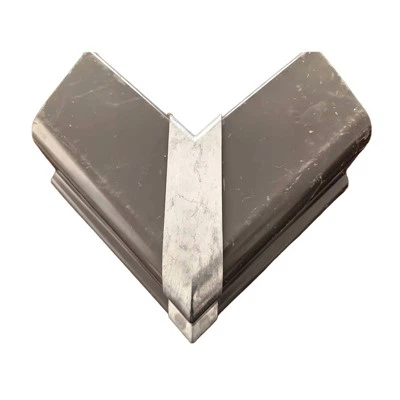
We ensure that all our castings meet the highest quality standards. We use high – purity raw materials and strict manufacturing processes to ensure the consistency and reliability of our products. Whether you need parts with high strength, excellent corrosion resistance, or specific electrical properties, we can provide you with the perfect solution.
Die Castings If you are in the market for high – quality zinc die castings, we invite you to contact us for a procurement discussion. Our sales team is ready to answer your questions, provide detailed product information, and offer competitive pricing. Let’s work together to bring your project to life with our top – notch zinc die castings.
References
- ASM Handbook, Volume 15: Casting. ASM International.
- Metals Handbook: Properties and Selection: Nonferrous Alloys and Pure Metals. American Society for Metals.
- "Zinc Die Casting Alloys: Properties and Applications" by various industry experts in the die – casting field.
Yuyao Aozhou Metal Products Co., Ltd.
We are one of the most experienced zinc die castings manufacturers and suppliers in China. With a professional production team, we are able to meet the needs of the majority of our customers. Please rest assured to buy customized zinc die castings made in China here from our factory.
Address: No.6, Nanbailonggang, Wuma Industrial Zone, Lubu Town, Yuyao City
E-mail: xqr-2316@163.com
WebSite: https://www.cnaozhou.com/
