Hey there! I’m here as a supplier of Culture Paper, and I’m super excited to talk about the social benefits of culture paper production. Culture paper, you know, is all around us. It’s in the books we read, the newspapers that keep us informed, and the artworks that inspire us. So, let’s dig into how making culture paper actually does a lot of good for society. Culture Paper

First off, culture paper production is a big job – creator. There are so many steps involved in making this paper, from sourcing the raw materials to the final packaging. In the forestry sector, workers are out there managing tree farms, making sure the trees are healthy and sustainable. These tree farms aren’t just for paper; they also play a role in protecting the environment by absorbing carbon dioxide.
Once the trees are ready, loggers carefully harvest them. This is a skilled job that requires a lot of training and safety measures. After that, the wood is transported to paper mills. At the mills, there are all kinds of jobs. There are machine operators who run the big paper – making machines, technicians who keep the equipment in good working order, and quality control staff who make sure the paper meets the right standards.
Then, there are jobs in sales, marketing, and distribution. People are needed to promote the culture paper to different customers, like publishers, schools, and art studios. They also have to figure out how to get the paper to these customers efficiently. All in all, culture paper production provides employment for thousands, if not millions, of people around the world. This means more families can have a stable income, which in turn boosts the local and national economies.
Another major social benefit is education. Culture paper is the backbone of the education system. Textbooks, workbooks, and study materials are printed on culture paper. Can you imagine going to school without these? It would be so much harder to learn. Teachers use printed materials to explain lessons, and students use them to take notes and study.
For students in developing countries, access to printed educational resources can be a game – changer. It helps them gain knowledge and skills that can lift them out of poverty. Even in developed countries, printed materials still play a crucial role in education. They offer a different learning experience compared to digital resources. You can highlight, write notes in the margins, and flip through the pages easily. This tactile experience can enhance learning and retention.
Moreover, culture paper is essential for preserving and spreading culture. Books are like time capsules that hold the wisdom, stories, and traditions of different cultures. They can be passed down from generation to generation. For example, classic novels, historical records, and religious texts are all printed on culture paper. These materials help us understand where we came from and what our ancestors believed in.
Newspapers and magazines also rely on culture paper. They keep us updated on current events, both locally and globally. They give a voice to different communities and allow people to share their opinions. In a way, they are a platform for public discourse. Without culture paper, it would be much harder to have a well – informed and engaged society.
Art is another area where culture paper shines. Artists use different types of culture paper for drawing, painting, and printmaking. Sketchbooks, watercolor paper, and printmaking paper are just a few examples. These papers allow artists to express their creativity and bring their ideas to life. Art has the power to inspire, challenge, and unite people. It can make us see the world in a different way and evoke emotions.
Culture paper also plays a role in community building. Local newspapers often cover community events, such as festivals, sports games, and charity drives. They help bring people together by providing a sense of shared identity and purpose. Schools and community centers use printed flyers and brochures to promote their activities and programs. This encourages people to get involved and participate in community life.
Now, let’s talk about the environmental side of things. A lot of culture paper producers these days are committed to sustainable practices. They are using recycled materials to make paper, which reduces the demand for virgin wood pulp. Recycling paper also saves energy and water. It takes less energy to recycle paper than to make it from scratch. And by using recycled paper, we can reduce the amount of waste that goes into landfills.
Many paper mills are also implementing forest management programs. They are replanting trees at a rate that is equal to or greater than the rate at which they are harvested. This ensures that the forests are sustainable in the long run. Forests are not only important for paper production but also for wildlife habitats, water conservation, and carbon sequestration.
In addition, culture paper production can contribute to research and development. Paper companies are constantly looking for ways to improve the quality of their products, make them more environmentally friendly, and reduce production costs. This research can lead to new technologies and innovations that can benefit other industries as well. For example, the development of stronger and more durable paper can be applied to packaging materials, which can reduce waste and improve product protection.
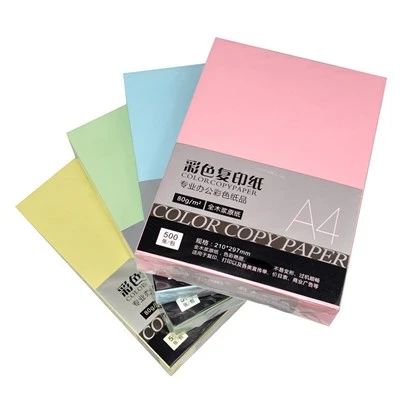
So, as you can see, the social benefits of culture paper production are numerous and far – reaching. It’s not just about making paper; it’s about creating jobs, promoting education, preserving culture, and building communities. And if you’re in the market for high – quality culture paper, whether you’re a publisher, an artist, or a school, I’d love to talk to you. We’ve got a wide range of culture paper products that can meet your needs. Just reach out, and we can start a conversation about how we can work together.
Duplex Board References:
- "The Economics of the Paper Industry" – Industry report on the economic impact of paper production
- "Education and Printed Materials" – Research on the role of printed materials in education
- "Sustainable Forestry and Paper Production" – Studies on sustainable practices in the paper industry
Dongguan Banyan Material Co., Ltd.
We are one of the most experienced culture paper manufacturers and suppliers in China, also support customized service. Please feel free to wholesale bulk eco-friendly culture paper from our factory. Quality products and reasonable price are available.
Address: NO.167, Meijing West Road, Songmushan, Dalang Town, Dongguan City, Guangdong Province, China
E-mail: Sales_chris@yspaper.com
WebSite: https://www.paperyoung.com/
