Digital technology has revolutionized numerous industries, and the field of dental prosthetics, particularly in the creation of custom abutments, is no exception. As a supplier of custom abutments, I’ve witnessed firsthand the transformative impact that digital technology has had on our manufacturing processes, product quality, and overall patient experience. In this blog post, I will delve into the role of digital technology in creating custom abutments, highlighting its benefits, challenges, and future prospects. Custom Abutments

The Traditional Approach vs. Digital Technology
Traditionally, the creation of custom abutments was a labor – intensive and time – consuming process. It involved taking physical impressions of the patient’s mouth using impression materials. These impressions were then sent to a dental laboratory where technicians would manually fabricate the abutment based on the model created from the impressions. This method was prone to errors due to inaccurate impressions, shrinkage of the impression materials, and human error during the fabrication process.
On the contrary, digital technology starts with a digital scan of the patient’s mouth. Intraoral scanners capture highly detailed 3D images of the teeth, surrounding tissues, and the implant site. This digital data is then transferred directly to the design software, eliminating the need for physical impressions and reducing the risk of errors associated with them.
Designing Custom Abutments with Digital Technology
Precision and Personalization
One of the most significant advantages of digital technology in creating custom abutments is the ability to design with unparalleled precision. The 3D digital models obtained from intraoral scanners provide a highly accurate representation of the patient’s oral anatomy. Dental professionals can use sophisticated design software to create abutments that fit exactly into the implant site, with the correct height, angulation, and contour.
This precision also allows for a high degree of personalization. Abutments can be designed to match the unique shape and color of the patient’s natural teeth, ensuring a more aesthetically pleasing result. This is particularly important for patients who are concerned about the appearance of their dental restorations.
Efficient and Streamlined Design Process
Digital design software simplifies the entire design process. Dental technicians can make adjustments to the abutment design in real – time, without having to start the fabrication process from scratch. This significantly reduces the time required to design a custom abutment, which means faster turnaround times for patients.
Moreover, the software often comes with pre – defined templates and libraries of commonly used shapes and sizes, which can be customized as needed. This speeds up the design process and ensures consistency in the quality of the abutments produced.
Manufacturing Custom Abutments Using Digital Technology
Computer – Aided Manufacturing (CAM)
Once the design of the custom abutment is finalized, digital technology takes over the manufacturing process through computer – aided manufacturing (CAM). CAM systems use the digital design data to control the movement of milling machines or 3D printers, which fabricate the abutment from a solid block of material.
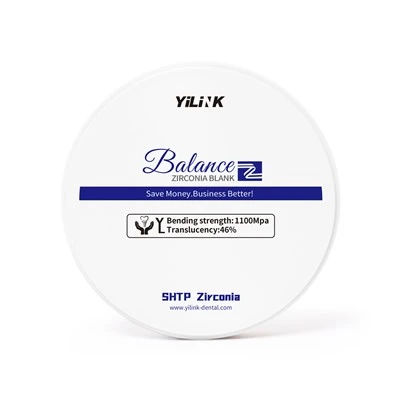
Milling machines use cutting tools to remove excess material from the block, gradually shaping it into the desired abutment. This method offers high precision and can be used with a variety of materials, including titanium, zirconia, and ceramic.
3D printing, on the other hand, builds the abutment layer by layer from a liquid or powder material. It is a more flexible manufacturing method, allowing for the creation of complex geometries that may be difficult or impossible to achieve with traditional milling.
Quality Control
Digital technology also plays a crucial role in quality control. After the abutment is manufactured, it can be scanned again using a digital scanner, and the resulting 3D model can be compared to the original design using software. This helps to identify any deviations from the design, ensuring that the final product meets the required specifications.
Benefits for Patients
Improved Comfort and Function
Custom abutments created with digital technology offer a better fit, which translates to improved comfort for patients. A well – fitting abutment distributes the forces applied during chewing more evenly, reducing the risk of complications such as implant failure and gum damage.
Furthermore, the ability to customize the abutment’s design to match the patient’s natural teeth enhances the overall function and appearance of the dental restoration. Patients can enjoy a more natural – looking smile and feel more confident in social and professional situations.
Reduced Treatment Time
The streamlined design and manufacturing processes enabled by digital technology mean that patients can receive their custom abutments in a shorter period. This reduces the overall treatment time, allowing patients to resume their normal activities sooner.
Challenges in Implementing Digital Technology
High Initial Investment
One of the main challenges in implementing digital technology for creating custom abutments is the high initial investment required. Intraoral scanners, design software, and CAM systems can be expensive, and smaller dental practices or laboratories may find it difficult to afford these technologies.
Training Requirements
Dental professionals and technicians need to be trained to use the digital technology effectively. This includes learning how to operate the intraoral scanners, use the design software, and troubleshoot any issues that may arise during the manufacturing process. Providing this training can be time – consuming and costly.
Data Security
As with any digital system, data security is a concern when using digital technology in the creation of custom abutments. The patient’s oral scan data contains sensitive personal information, and it is essential to ensure that this data is protected from unauthorized access and breaches.
Future Prospects
The future of digital technology in creating custom abutments looks promising. Advancements in 3D printing technology are likely to make it more accessible and affordable, allowing for greater use of this manufacturing method. New materials are also being developed that offer improved strength, aesthetics, and biocompatibility, which can be used in conjunction with digital design and manufacturing techniques.
In addition, the integration of artificial intelligence (AI) into the design process has the potential to further streamline design and improve accuracy. AI algorithms can analyze large amounts of patient data to identify optimal designs for custom abutments, based on factors such as the patient’s oral anatomy, bite force, and lifestyle.
Conclusion
Digital technology has played an indispensable role in creating custom abutments. It offers numerous benefits over the traditional approach, including improved precision, personalization, efficiency, and patient comfort. While there are challenges associated with implementing this technology, the future prospects are exciting, with continued advancements expected to further enhance the quality and availability of custom abutments.
Dental Peek If you are interested in sourcing high – quality custom abutments that leverage the latest digital technology, I invite you to reach out to us for a procurement discussion. We are committed to providing innovative solutions that meet the diverse needs of our customers, ensuring the best outcomes for patients.
References
- Edelhoff, D., Sailer, I., Hess, S., & Hämmerle, C. H. F. (2016). Implant – supported fixed dental prostheses fabricated by CAD/CAM technology: a systematic review. Clinical Oral Implants Research, 27(2), 143 – 153.
- Kern, M., & Thompson, V. P. (2011). Zirconia in restorative dentistry. Journal of Dental Research, 90(3), 304 – 316.
- Manicone, P., Nocchi, S., Prati, C., Milanese, C., & Gherlone, E. (2017). 3D – printed dental models: ex – vivo validation of accuracy by means of metrology techniques. Journal of Dentistry, 66, 34 – 40.
Yilink (Tianjin) Biotechnology Co., Ltd.
Yilink (Tianjin) Biotechnology Co., Ltd. is one of the most professional custom abutments manufacturers and suppliers in China, also supports customized service. Welcome to buy discount custom abutments in stock here and get pricelist from our factory. Quality products and low price are available.
Address: No. 9, Kaituo Road, Balitai Town, Jinnan District, Tianjin
E-mail: service@yilink-dental.com
WebSite: https://www.yilinkzirconia.com/
