Hey there! I’m a supplier of wrap-around labels, and one question I get asked a ton is, "What’s the best way to test the adhesion of wrap-around labels?" It’s a super important topic because if your labels don’t stick well, it can lead to all sorts of problems. So, I’m gonna share some insights on this based on my experience in the industry. Wrap-around Labels
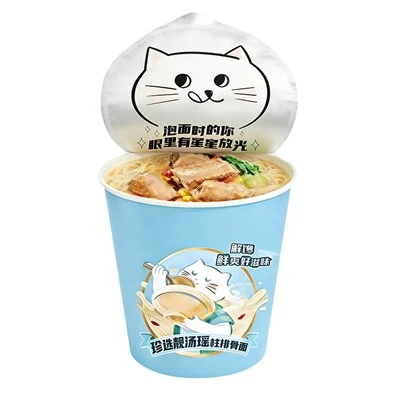
First off, why is testing label adhesion so crucial? Well, let me give you the lowdown. When you’re using wrap-around labels, they need to stay put on the product throughout its entire lifecycle. Whether it’s sitting on the shelf in a store, going through different handling processes, or even being exposed to various environmental conditions. If the label falls off, it not only looks bad but can also cause issues with brand recognition and product information getting lost.
Now, let’s dive into some of the methods for testing label adhesion.
The Tape Test
One of the simplest and most commonly used methods is the tape test. Here’s how it works. You take a piece of a specific type of tape, usually a high-quality adhesive tape. I like to use Scotch tape because it’s easy to find and has pretty consistent adhesion properties. You stick the tape firmly onto the label, making sure there are no air bubbles between the tape and the label. Then, you pull the tape off at a 90-degree angle as quickly as you can.
If the label comes off with the tape or pieces of the label are left on the tape, then the adhesion is probably not good. But if the tape comes off clean and the label stays on the product, it’s a good sign that the adhesion is strong. However, this test has its limitations. The tape test is more of a quick and dirty way to get a general idea of the adhesion. It doesn’t really simulate real-world conditions very well, like how the label would hold up over time or in different temperatures and humidity levels.
The Rub Test
Another simple test is the rub test. You just use your finger or a soft cloth and rub the label gently but firmly for a certain number of strokes. I usually do about 20 to 30 strokes. If the label starts to peel or the ink on the label smudges, then there might be an issue with the adhesion or the printing quality.
This test is good for checking the surface durability of the label. Sometimes, even if the label adheres well initially, it might not be able to withstand normal handling and rubbing. But again, this is a very basic test and doesn’t cover all the possible scenarios the label might face.
The Environmental Test
Now, this is where things get a bit more serious. Real-world conditions can be pretty harsh on labels, so it’s important to test how they hold up in different environments.
Temperature Testing
You can use a temperature chamber to expose the labeled products to different temperatures. For example, you can start by putting the products in a cold environment, say around 0°C (32°F) for a few hours. Then, take them out and let them come back to room temperature. After that, you can put them in a hot environment, like 50°C (122°F), for another few hours.
After each temperature change, you can do a simple visual inspection to see if the label has peeled or if there are any signs of damage. Temperature changes can cause the materials to expand and contract, which can put stress on the label adhesion. If the label can survive these temperature variations without any issues, it’s a good indication that it will work well in real-world situations where temperature fluctuations are common.
Humidity Testing
Humidity is another factor that can affect label adhesion. You can use a humidity chamber to create different humidity levels. I usually test at around 80% relative humidity for a few days. High humidity can cause the label to absorb moisture, which can weaken the adhesive.
After the humidity test, check the label for signs of peeling or bubbling. If the label looks fine, it means it has good resistance to humidity. You can also combine the humidity test with the temperature test to simulate even more realistic conditions.
The Peel Test Machine
For a more accurate and quantitative measurement of label adhesion, you can use a peel test machine. This machine applies a controlled force to peel the label off the product at a specific angle and speed. It then records the amount of force required to peel the label.
The peel strength is usually measured in Newtons per millimeter (N/mm). A higher peel strength means better adhesion. This test is great because it gives you a precise number that you can use to compare different label materials, adhesives, or application methods.
However, peel test machines can be quite expensive and require some technical knowledge to operate. But if you’re a large-scale manufacturer or a company that needs to ensure high-quality label adhesion, it might be worth the investment.
Choosing the Right Adhesive
The type of adhesive you use is also a huge factor in determining label adhesion. There are different types of adhesives available, each with its own properties.
Permanent Adhesives
Permanent adhesives are designed to stick to the product surface permanently. They’re great for products that need long-term label attachment, like electronics or heavy machinery. These adhesives usually have a high initial tack and a strong bond that doesn’t weaken over time.
Removable Adhesives
Removable adhesives, on the other hand, are meant to be taken off the product without leaving any residue. They’re commonly used on products like promotional items or temporary labels. The adhesion strength of removable adhesives is usually lower than permanent adhesives, but they still need to hold the label in place during normal use.
When choosing an adhesive, you need to consider the surface material of the product, the environmental conditions the product will be exposed to, and how long you need the label to stay on.
Surface Preparation
Another thing that can affect label adhesion is the surface preparation of the product. If the surface is dirty, greasy, or has a rough texture, the label might not stick well.
Before applying the label, it’s important to clean the surface thoroughly. You can use a mild detergent and water to clean the surface, and then dry it completely. For some surfaces, you might need to use a primer to improve the adhesion. The primer creates a better bonding surface between the label and the product.
Well, that’s a wrap on the best ways to test the adhesion of wrap-around labels. As a supplier, I know how important it is to make sure the labels we provide have excellent adhesion. These testing methods can help you ensure that your labels will perform well in all sorts of situations.
If you’re in the market for high-quality wrap-around labels with great adhesion, don’t hesitate to reach out to me. I’d love to have a chat about your specific needs and how I can help you find the perfect label solution.
Folding Cartons References
- Packaging Machinery Manufacturers Institute (PMMI): Handbook on Labeling Technologies
- Adhesive and Sealant Council: Guidelines for Adhesive Selection and Application
Hangzhou Tingzheng Packaging Co., Ltd.
Hangzhou Tingzheng Packaging Co., Ltd. is one of the most professional wrap-around labels manufacturers and suppliers in China, featured by quality products and good service. Please rest assured to buy bulk wrap-around labels made in China here from our factory. We also accept customized orders.
Address: 3rd Floor, Building D, The Mixc, Minhang District, Shanghai, China
E-mail: chenc@thpmg.com.cn
WebSite: https://www.tingzhengpackaging.com/
