Hey there! If you’re hanging around with PE electrofusion fittings like I do every day, you probably get tons of random questions that aren’t just about water or gas lines—stuff like “can these even work for compressed air pipelines?” Today we’re breaking that down straight from someone who sells these things for a living, no corporate jargon or textbook fluff. PE Electrofusion Fittings

First off, let’s get one thing clear: I’m not some engineer hiding behind a desk in a suit. I’m the guy who gets 10 emails a week from guys at auto body shops, small manufacturing plants, and even guys installing air tools in their garages asking this exact question. Most of them come off hearing a rumor that PE is only for water or natural gas, so they’re scared to waste money on fittings that’ll blow out. But let’s cut to the chase—short answer? Yeah, they can work… but only if you know what you’re doing. It’s not a “one size fits all” thing, that’s for sure.
Let’s start with what even PE electrofusion fittings are, for anyone who’s new here. PE stands for polyethylene, that plastic stuff you’ve seen everywhere from milk jugs to water main lines. Electrofusion means you melt the fitting and the pipe together with a built-in electric coil inside the fitting—no glue, no messy solvents, just a consistent, permanent weld that’s way less likely to leak than regular compression fittings. I sell these to installers every week, and 9 times out of 10 it’s for potable water or municipal gas lines. But compressed air is a whole different beast, right? Compressed air isn’t just pressurized gas—it can have moisture, oil, even debris floating around, and the pressure is way higher than what a lot of regular PE lines are rated for.
Now, let’s talk about why PE might seem like a bad fit for air at first. Here’s the thing: not all PE is the same. Most standard PE electrofusion fittings I stock are PE 4710, which is the go-to for water and gas. PE 4710 has a rated pressure, right? The pressure rating for PE pipes is based on the SDR (Standard Dimension Ratio)—thinner walls mean lower pressure capacity, thicker walls mean higher. For compressed air, you’re usually looking at 100 to 150 PSI, sometimes more for industrial stuff. Wait, standard PE 4710 SDR 11 fittings are rated for 160 PSI at 73°F, right? That’s technically in the ballpark for shop air, but there’s a catch—PE gets more flexible as it heats up. If your air compressor is running hot, or the line’s in a uninsulated garage in the middle of summer, that rating drops fast. Heat is the enemy here. I’ve seen guys install SDR 11 lines in Arizona and wonder why they’re leaking within a year—they didn’t account for the heat softening the plastic.
But wait, what about other types of PE? I carry PE 100 electrofusion fittings too, and those are a game-changer for air lines. PE 100 is way stiffer and has a higher pressure rating than PE 4710. PE 100 SDR 9.8 is rated for 170 PSI at 73°F, which is enough for most industrial compressed air setups. That’s a big difference. I had a customer last month who runs a woodworking shop—he was using steel lines that kept rusting, and his installer tried cheap PE 4710 lines that blew out after three months when his compressor hit 175 PSI. Switched to PE 100, and he’s had zero issues for six months now. That’s the kind of real-world stuff I don’t see in any textbook.
Next up, the dirty little secret about compressed air: the condensate. No matter how good your dryer is, compressed air always has some water vapor that turns into liquid as the air cools. That condensate can be corrosive, especially if you run oil-injected compressors that leave oil in the mix. PE is pretty resistant to corrosion, right? Way more than steel or copper, which is why a lot of guys switch. But wait—some cheap PE is more porous than others. The quality of the electrofusion weld matters too. If you don’t set the fusion time and temperature right, you get a weak joint that can separate when pressurized air is running through it, especially with the shock from a compressor cycling on and off. I always tell my customers: don’t skimp on the fusion machine. That $500 cheap Chinese fusion rig might save you money now, but it’ll mess up your joints and cause way more headaches later. I’ve had guys send me photos of failed fittings from those machines, and it’s never pretty.
Another thing: pressure spikes. Compressed air systems get big spikes when a tool kicks on—like if you nail a nail into a board, the pressure jumps up for a split second. Those spikes can be 20-30 PSI higher than your normal operating pressure. Steel lines can handle that, but PE? Well, standard PE 4710 can only handle so much pressure surge. PE 100 has better surge resistance, though. That’s why I only recommend PE 100 for any compressed air line that’s running more than a few tools, not just a single nail gun. Small, home garage setups with a single air tool might get away with PE 4710, but I still push PE 100 on those guys too—better safe than sorry, especially when you’re not around to fix a leak that’s wasting air (wasting air is just wasting money, let’s be real).
Wait, let’s talk about what I definitely don’t recommend. I’ve had a few customers try to use the same fittings they use for natural gas for compressed air. Big no-no. Gas lines usually operate at lower pressure (20 PSI or less) and are dry, mostly. Compressed air is higher pressure, has moisture, and those gas-grade fittings might not have the same wall thickness or material grade. I once had a guy who used gas PE electrofusion fittings for his 120 PSI air line, and a joint blew out in his garage—ruined his workbench, a few power tools, and he had to hire a plumber to fix it. He saved $20 on fittings and ended up paying $1,500 in damages. That’s the kind of story I repeat to anyone who asks, just to drive the point home.
Also, let’s not forget about installation best practices. This isn’t just about the fittings—how you put them together matters a lot. When you’re doing electrofusion for air lines, you have to clean the pipe end and the fitting socket really well. Any dirt, oil, or debris in there will mess up the weld. I tell guys to use a clean cloth and isopropyl alcohol, not a dirty rag from the garage floor. Then you have to follow the exact fusion parameters for the size and type of fitting. For example, a 2-inch PE 100 electrofusion fitting takes longer to heat than a 1-inch one—if you cut the time short, the weld won’t be strong enough. I’ve got a cheat sheet I send to all my customers that has these numbers, no point in guessing. Also, you need to support the line properly, right? PE is flexible, so if you just hang it from a nail, it’ll sag, and that puts stress on the fittings. Sagging lines can cause joints to separate over time, especially with pressure cycling. Use proper hangers every 3-4 feet for horizontal lines, that’s the rule of thumb I give out.
Wait, what about temperature extremes? If your air line is in a hot attic, or next to a furnace, or outside in freezing cold? PE gets brittle when it’s cold, so if you’re running an air line outside in Minnesota in January, standard PE might crack if something hits it or there’s pressure. But PE 100 is more flexible in cold temps than PE 4710, so that’s another reason to go with the higher grade. And in hot areas, like Florida or Texas, PE 100 holds its pressure rating way better than PE 4710 when the ambient temp is over 100°F. I sold a job last month to a custom home builder in Houston who was running air lines for the garage and pool equipment, and he went with PE 100 SDR 9.8 specifically because of the summer heat there. No complaints so far, and that job’s been up for 8 months now.
Let’s talk about the pros, since I’m trying to be balanced here, not just a sales guy. Why would anyone even use PE electrofusion fittings for compressed air instead of steel or copper? First, no corrosion. I’ve seen so many steel air lines that are rusted out on the inside, and the rust gets into the tools and ruins them. PE is inert, so no rust, no corroded fittings. Second, lightweight. Steel lines are heavy, hard to carry, and require more hangers. PE lines are half the weight, so installation is way faster—guys tell me they can run a 50-foot line in half the time they would for steel. Third, flexible. You can bend PE pipe around corners without fittings, which saves money on parts and installation time. Steel needs elbow fittings every time you turn a corner, that adds up. Fourth, low cost over time. PE lines don’t need painting, don’t rust, and don’t have leaks as often if installed right. My customers say they save on maintenance costs year after year compared to their old steel lines.
Now, the cons, just so you know I’m not hiding anything. PE does have a lower pressure rating than steel, so you can’t use it for super high-pressure industrial air systems (like 200+ PSI continuous, for example). Also, PE can be damaged by UV light if it’s installed outside without a cover. If you leave PE pipe out in the sun for more than a few months, it’ll start to degrade and get brittle. That’s an easy fix—just wrap it in insulation or run it in a protective conduit, or use black PE which is already UV-stabilized. Another con: PE melts at lower temps than steel, so if you’re running a line near a welding station or other high-heat equipment, you need to insulate it or keep it away from the heat source. I had a customer who hung his air line next to a welding table, and the heat from the arc softened the line within a week—fixed that by moving the line and adding insulation, no problem.
Wait, let’s make sure we answer the original question clearly. Can PE electrofusion fittings be used in compressed air pipelines? The answer is: yes, but only if you use the right type of PE, install it correctly, and match the grade to your system’s pressure and environment. Let’s recap that to make it easy:
- For small, low-pressure home garages (under 120 PSI, ambient temps under 90°F): PE 4710 works, but I still recommend PE 100 for a safety buffer.
- For industrial setups, multiple tools, operating pressure over 120 PSI, or high ambient temps: PE 100 is non-negotiable.
- Always get the right SDR (thicker walls = higher pressure), follow fusion parameters, use good equipment, and protect the line from UV and extreme heat.
I know a lot of guys will argue with this, but it’s not theory—it’s from dealing with hundreds of installers and end users over the last five years I’ve been selling these fittings. I get DMs all the time from guys panicking because their air line is leaking, and 9 times out of 10 it’s because they used the wrong PE grade, messed up the fusion, or didn’t account for heat or pressure spikes.
One last thing I want to mention: air leaks. A lot of people don’t realize that a small air leak in your compressed air system wastes a ton of money. The Department of Energy says even a 1/8-inch leak can waste 25 CFM of air, which adds up to thousands of dollars a year in electricity costs. PE electrofusion joints are almost 100% leak-proof if installed right—way better than compression fittings or thread-sealed steel joints, which can leak over time. That’s a huge benefit for anyone running a commercial air system, because those leaks add up fast.
So, if you’re considering switching to PE electrofusion fittings for your compressed air line, don’t just buy the cheapest stuff you can find. Talk to someone who knows the difference between PE 4710 and PE 100, SDR ratings, and the right fusion parameters. I’m here to help with that—no sales pitch, just straight advice based on real jobs and real problems I’ve seen. Whether you’re a small shop owner or a commercial installer, I can help you pick the right fittings for your system, send over the fusion cheat sheet, and answer any questions you have. No pressure, no weird fine print, just honest info for something that’ll save you money and headaches in the long run.
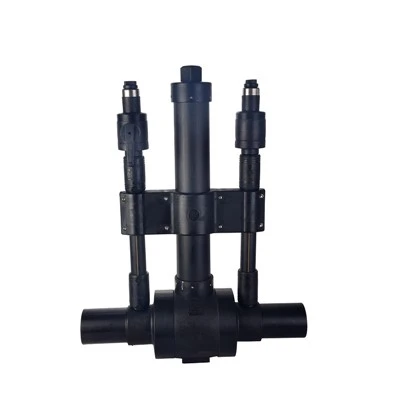
If you’re looking to upgrade your compressed air lines or just have more questions about which PE electrofusion fittings are right for your job, reach out to work with my team. We’ll get you the right products, tips, and support to make sure your setup works for years, no leaks, no wasted air, no hassle.
PE Ball Valve References:
- American Society of Mechanical Engineers. (2018). PE Pipe and Fittings for Pressure Piping Applications. ASME B31.3 Process Piping Code.
- Polyethylene Pipe Institute. (2020). Design and Installation Manual for Polyethylene Compressed Air Piping Systems. PPI TR-35.
- U.S. Department of Energy. (2022). Compressed Air System Leak Detection and Repair Best Practices. DOE/GO-102022-6017.
- Electrofusion Fittings Manufacturers Association. (2019). Electrofusion Welding Procedure Standards for Polyethylene Piping. EFMA 2.2.
Zhejiang Shengbo Pipe Fittings & Valves Industry Co., Ltd.
With abundant experience, we are one of the most professional pe electrofusion fittings manufacturers and suppliers in China. Please feel free to buy discount pe electrofusion fittings from our factory. Welcome to contact us for quotation and free sample.
Address: No. 79 Hemudu North Road, Hemudu Town, Yuyao City, Ningbo City, Zhejiang Province, China
E-mail: shengbo@zj-shengbo.com
WebSite: https://www.shengbofitting.com/
