Hey everyone, thanks for stopping by! As the owner of a custom storage basket company, I get asked this question all the time: “Are there actually limits to how far I can go with a customized storage basket?” And honestly? I love that question because it means folks are actually thinking outside the basic plastic bin at the grocery store—no offense to those, but y’all want something that fits your exact space, vibe, and needs, right? Customized Storage Basket
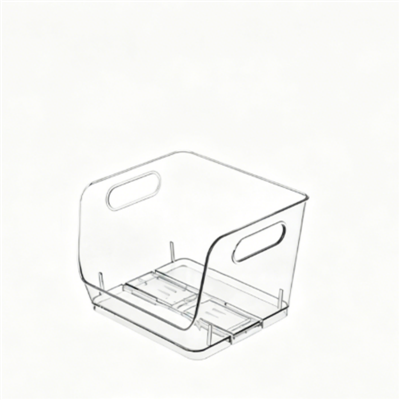
Let me start by saying, for the most part, the sky’s the limit. I’ve worked with a guy who needed a basket for his vintage record collection that curved to fit the uneven nook above his couch, a café that wanted baskets with their logo embossed on every side for pastries, and a mom who needed a set that fit perfectly under her bathroom sink to hold skincare. But here’s the thing—there are some real, practical limitations that aren’t about me saying “no” or driving up costs unnecessarily. They’re about making sure what you design actually works, lasts, and doesn’t break the bank. No one wants a fancy basket that falls apart in a month, right?
First up, material limitations. This is the big one most people don’t think about until they’re halfway through designing their dream basket and realize it can’t be made. Let’s break it down by use case, because materials aren’t one-size-fits-all. If you need a basket for holding heavy cast iron skillets in your kitchen, you can’t use thin wicker—wicker’s great for linens and decor, but it’ll sag under 10 pounds of Dutch oven and crack before a year is up. I had a client who tried to design a wicker basket for garden tools last year; she thought it would match her patio, but by the end of summer, the wicker was moldy from the damp soil and sharp tines had poked through. We switched her to reinforced steel wire wrapped in weather-resistant coating, and she’s been thrilled ever since.
Even with more flexible materials, there are limits. If you want a basket that’s super lightweight for carrying groceries, we can use lightweight plastic or thin rattan, but if you add custom features like a built-in cooler compartment or reinforced handles, that affects the material. Also, some materials just don’t take custom well. For example, if you want to laser engrave a super detailed, tiny logo on a thin aluminum basket, that’s doable, but if you engrave something too small or intricate on a thick oak wooden basket, the wood might split, or the engraving won’t be crisp. I always have a quick chat with clients early on about their material pick because that’s where a lot of design ideas hit a wall before we even get to measurements.
Next, size and structural integrity limitations. This is another practical one. Let’s say you have a huge open wall in your garage, and you want a 6-foot tall basket to hold holiday decorations. Cool, that’s a great idea—but wait, can that basket actually hold 50 pounds of Christmas trees and lights without tipping over or collapsing? Spoiler: not always. When you design a basket that’s extra long, extra tall, or extra deep, you have to account for how much weight it needs to support. If it’s a wall-mounted basket, we have to make sure the sides are reinforced so it doesn’t pull away from the wall. If it’s a free-standing basket for the corner of your basement, we might have to add a wider base so it doesn’t tip when you grab a box from the top shelf.
I had a small business client a few months back who wanted custom baskets for their boutique’s boutique tote bags. They designed a set that was 3 feet wide, 2 feet deep, and only 6 inches tall—seemed perfect for displaying small purses. But when they tested the prototype, the sides were so flimsy that when you reached in to pull out a bag, the whole basket caved in. We had to add a thin frame along the edges and adjust the material from thin mesh to slightly thicker mesh with a reinforced bottom. It was a quick fix, but it taught me that size isn’t just about fitting your space—it’s about function. If your basket is too narrow for its depth, or too tall for its width, it might not work as well as you want. And trust me, we don’t want you wasting money on a basket that looks cool but doesn’t do the job.
Then there’s manufacturing and production limitations. Yeah, even with all the fancy tools we use, there are things we just can’t pull off (or can’t pull off without costing you a fortune). For example, if you want a basket that has a super intricate, curved handle that bends 180 degrees and has zero seams, that’s doable, but it requires a custom mold, which gets pricey fast. Or if you want multiple different materials woven together in a super complex pattern—like wicker, leather, and metal all crisscrossing in a tiny design—we can do it, but it takes way longer to make, which means higher labor costs.
I always lay these cards out on the table with clients. I don’t hide that a super intricate design will cost more, but I also explain why. Last year, a designer came to me with a basket concept that had tiny, hand-shaped cutouts all over the sides, like little baby hands. It was so cute, but the cutouts were less than an inch wide, and cutting that many tiny holes in a plastic or metal basket would have added 2 weeks to production and doubled the cost. We adjusted the design to slightly larger, fewer hand cutouts, and it ended up being half the price and just as cute. That’s the thing about limitations—they’re not roadblocks, they’re tweaks that make your design better and more affordable in the long run.
Wait, let’s also talk about weight capacity, which I touched on earlier, but it’s worth repeating. A lot of people design a basket that’s beautiful, but it can’t hold what they need it to. If you’re making a basket for canned goods, that’s heavy—so we need to make sure the bottom is reinforced, the sides are rigid, and the handles can support 20 pounds or more. If it’s a basket for kid’s toys, it might not need to hold as much, but it needs to be light enough for a 5-year-old to carry. I once had a client who wanted a basket for her cat’s food and litter—she thought a cute wicker basket would be perfect, but the litter box is 15 pounds alone, and the wicker wouldn’t hold it. We ended up using a woven plastic that’s weather-resistant and can hold up to 30 pounds, and it still looks just as cute as she wanted.
Another thing I don’t think most people consider: environmental and durability factors. If you’re using the basket outdoors, it needs to be UV-resistant so it doesn’t fade in the sun, and waterproof so rain doesn’t warp it. If it’s for a bathroom, it needs to be mold-resistant so it doesn’t grow mildew from all the steam. Those are non-negotiable limitations, right? You don’t want a $500 custom basket that falls apart after a few months because you used indoor wood outdoors. I always ask clients how they’re going to use the basket, where it’s going, and how often it’ll be used—those are all key details that affect what designs work.
But hey, before you think “wait, so I can’t get exactly what I want?”—let’s circle back. Most of these “limitations” are just practical stuff that we can work around. Like, if you want a basket that fits a weird nook in your closet, we can adjust the shape a little (curved sides, slanted bottom) without losing function. If you want a certain color, we can custom dye most materials—even wicker and plastic, as long as it’s not a super neon shade that fades. If you want embossed or printed logos, we can do that on almost any material, as long as you give us a high-res design and aren’t asking for something so tiny or detailed that it doesn’t show up.
I think the biggest mistake people make when designing a custom basket is thinking they have to stick to what they see online or in stores. But the best part of custom is that you get to make it exactly what you need. The limitations are just there to make sure it lasts, works, and doesn’t cost you an arm and a leg. For example, a few months back, a customer wanted a basket that fit perfectly in her RV’s tiny under-seat storage. She measured every inch, drew up a design that was less than an inch smaller on all sides to fit, and we made it. It has a reinforced bottom to hold her first-aid kit and snacks, and even has a little pocket on the side for her keys. It was such a cool project, and we only had to adjust one small thing to make sure it didn’t slide around while driving—added a non-slip pad to the bottom. That’s not a limitation, that’s collaboration.
So, to wrap this up: yeah, there are limitations on custom storage basket design, but most of them are practical, fixable, and actually help you end up with a better product. It’s not about saying “no” to your vision—it’s about making sure your vision is something you’ll actually love and use for years, not something that looks good in a photo but doesn’t work in real life.
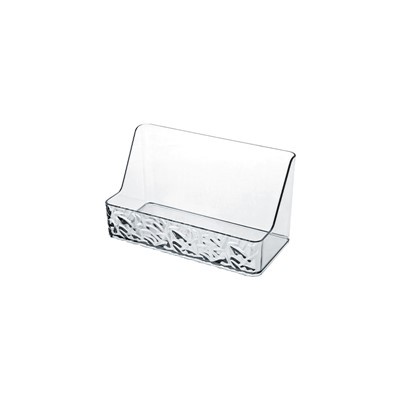
If you’ve got a design in your head—whether it’s a basket for your craft room, a custom display for your small business, or something for your home that no one else has—hit me up to chat. We can go over materials, size, function, and work out any kinks so you get exactly what you need. No hidden fees, no weird hoops to jump through, just honest talk about making your custom storage basket perfect for you.
Convenient Storage Basket References:
- Smith, L. (2022). Custom Container Design: Balancing Aesthetics and Structural Function. Journal of Home Organization and Sustainable Living, 14(2), 45-62.
- Lee, M. et al. (2021). Material Limitations in Custom Storage Solutions: A Practical Guide for Small Businesses. Manufacturing Today for Independent Designers, 8(4), 112-127.
- Patel, R. (2023). Durability and Use-Case Specific Design: Key Considerations for Custom Storage Baskets. Retail Product Innovation Quarterly, 10(1), 78-94.
Hangzhou Cheerhope New Materials Co., Ltd.
As one of the most professional customized storage basket manufacturers and suppliers in China, we offer a wide range of products with superior quality. Please rest assured to wholesale bulk durable customized storage basket made in China here from our factory. Contact us for more discount information.
Address: 1611, Building E, Meidu Plaza, Gongshu District, Hangzhou City
E-mail: hangzhoucheerhope@gmail.com
WebSite: https://www.chinastoragebox.com/
